What is Crypto Wallet Approval?

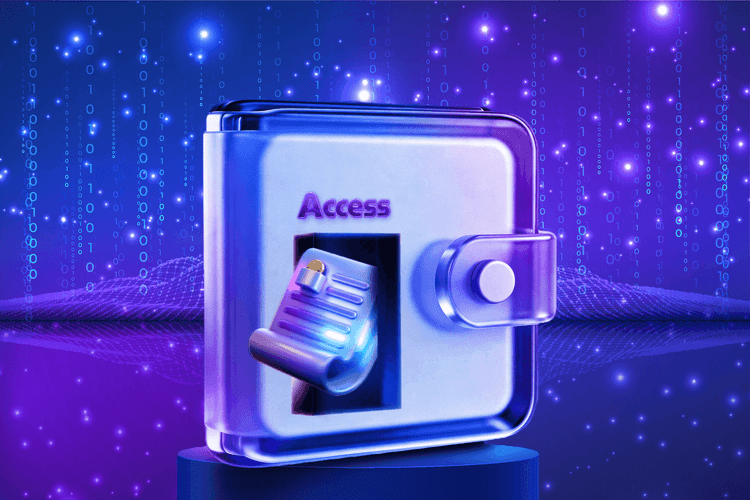
Wallet approval mechanisms in crypto are often encountered during routine DeFi interactions, yet their implications are not always immediately visible to users. Permissions are frequently granted to smart contracts in order to enable token swaps, staking, or liquidity operations, and these permissions can remain active beyond the intended interaction. In several cases, unintended exposure has been observed when approvals were left unchecked or granted in unlimited form. A closer inspection of how these mechanisms function may help reduce operational risk. The following sections outline the structure, behavior, and safety considerations of wallet approvals in a systematic manner.
What is Wallet Approval in Crypto?
Wallet approval refers to a permission granted to a smart contract allowing it to access and move specific tokens from a user’s wallet under predefined conditions. In most decentralized finance (DeFi) applications, this step is required before any token interaction can occur. It is typically triggered when a decentralized exchange (DEX) or protocol is first used.
Why DeFi apps require approvals
DeFi protocols such as token swap interfaces and liquidity platforms have been seen to rely on pre-approved access to function without the need for constant confirmation. If not approved, every transaction would have to be tokenized manually, which would greatly reduce usability. This design trade-off between convenience and control is a structural feature of ERC-20 based ecosystems.
How Wallet Approval Works?
Smart contract permissions explained
Wallet approvals are implemented through the ERC-20 allowance system, where a token owner permits a smart contract to withdraw up to a specified amount. This mechanism is defined at the token contract level and executed automatically by blockchain logic.
approve() and transferFrom() mechanism
Two core functions are involved:
It was observed that once approval is granted, the contract can repeatedly call transferFrom() until the allowance is exhausted or revoked.
What is an allowance?
A token allowance is the permission you give a smart contract to access and use a certain amount of your tokens on your behalf.
In practice (especially on blockchains like Ethereum), when you interact with a decentralized app (DApp), you often approve a contract to spend your tokens. That approval is the “allowance.”
There are two common types:
It’s mainly used so you don’t have to approve every single transaction manually, but unlimited allowances can be risky if the contract is malicious or gets compromised.
Why Wallet Approvals Are Needed in DeFi
Swaps, staking, and liquidity pools
Wallet approvals are required for interaction with decentralized exchanges (DEX aggregators), staking protocols, and liquidity pools. Without this step, token movement across automated market maker (AMM) systems would be blocked. Cross-chain bridges and multi-chain aggregators similarly rely on pre-approved token movement across contracts.
User experience vs security tradeoff
There is an inherent trade-off between usability and security: faster, more seamless transaction flows depend on persistent contract permissions, which reduce user friction but introduce ongoing exposure to potential risk. While token approvals significantly improve convenience in DEX environments by eliminating repeated confirmation steps, they also expand the attack surface if left unchecked. Without regular monitoring or revocation of unnecessary permissions, these approvals can accumulate over time and increase the likelihood of misuse or exploitation.
Risks of Wallet Approval
Unlimited approvals occur when a contract is granted indefinite token access. It was observed that such permissions can remain active indefinitely unless manually revoked, increasing long-term exposure.
Wallet drainers typically exploit previously granted approvals. Once malicious contracts obtain access, token transfers may be executed without further user confirmation. This behavior has been documented in phishing campaigns targeting DeFi users.
Approval phishing occurs when users are misled into granting permissions to malicious contracts disguised as legitimate DeFi interfaces. The approval screen may appear normal, while backend contract behavior differs significantly.
In several recorded incidents, compromised front-end interfaces have been used to trigger approval transactions, after which assets were systematically transferred out using transferFrom() calls.
Can Wallet Approval Drain Your Crypto?
When approvals become dangerous?
Wallet approvals alone do not automatically move funds; they simply grant a contract the ability to access tokens under defined conditions. The risk emerges when that permission is paired with malicious or compromised contract logic, allowing unintended or unauthorized asset movement. This exposure becomes significantly more severe when users grant unlimited approvals to unfamiliar or unaudited contracts, effectively giving long-term access that can be exploited at any point.
What hackers actually do after approval?
Once approval is obtained, attackers often do not act immediately. Instead, they may wait for an optimal moment and then execute coordinated or batched transactions to drain approved assets. Because these withdrawals are carried out through standard contract calls, they can closely resemble legitimate activity at the execution level. This makes detection challenging in real time, especially in the absence of active monitoring, spending limits, or periodic permission reviews.
How to Check Your Wallet Approvals
Approval visibility can be inspected through blockchain explorers such as Etherscan’s token approval tool, where active allowances are displayed per wallet and contract.
Tools such as revoke.cash provide aggregated visibility across multiple chains, enabling approval tracking and revocation in a unified interface.
Cross-chain approval tracking has become increasingly relevant due to multi-network DeFi usage, where approvals may persist across Ethereum, Layer 2 networks, and sidechains simultaneously.
How to Revoke Wallet Approvals (Step-by-Step)
Approvals can be revoked by setting allowance values back to zero through verified token interfaces. This process requires a signed transaction and gas fees.
Revocation can also be performed via revoke.cash, where active allowances are listed and can be individually canceled.
It has been observed that revocation transactions require network fees, which vary depending on congestion. Confirmation delays may occur during high-load periods.
Best Security Practices for Wallet Approvals
Unlimited approvals significantly increase risk because they allow a contract to access your tokens without an upper limit. Limiting approvals to the exact amount needed for a transaction helps contain potential damage if a contract is ever compromised or malicious.
Token allowances can accumulate over time across multiple dApps and protocols. Periodic checks and revocation of inactive or unnecessary approvals reduce this hidden attack surface and help keep wallet permissions under control.
Using different wallets for different purposes limits exposure. A “hot” wallet can be used for interacting with DeFi applications, while a separate wallet holds long-term assets, reducing the impact of any single compromise.
Hardware wallets add a physical confirmation layer for transactions and approvals, ensuring that sensitive actions require direct user approval on a secure device. This significantly reduces the risk of unauthorized or remote approval exploitation.
Advanced Strategy: Approval Minimalism
Reducing approval risk comes down to three core habits: approve only the minimum token amount needed for a specific action, use time-bound permissions where the protocol allows to avoid indefinite access, and limit the number of active approvals to maintain clear control over what each contract can do. Applied together, these practices significantly shrink the exposure window, reduce the impact of compromised or malicious contracts, and make ongoing permission management more transparent and easier to secure.
Summery
Wallet approvals represent a foundational mechanism in DeFi infrastructure, enabling token interaction through smart contract permissions. However, the persistence of allowances introduces a measurable risk surface, particularly when unlimited approvals or unverified contracts are involved. It was observed that most security incidents are associated with unmanaged or forgotten approvals rather than immediate transaction execution. A structured approach involving periodic review, revocation, and limited permissions may significantly reduce exposure while maintaining functional access to decentralized systems.
Resources
Frequently asked questions
Check out most commonly asked questions, addressed based on community needs. Can't find what you are looking for?
Contact us, our friendly support helps!
Is wallet approval safe?
Wallet approval is generally considered safe when it is applied to verified and reputable smart contracts. The mechanism itself is not inherently risky, as it only defines a permission boundary for token access rather than initiating transfers directly. However, safety is conditional. It has been observed that risk increases when approvals are granted to unverified contracts, cloned interfaces, or malicious DeFi front ends. In such cases, the allowance can later be used without further confirmation, depending on contract behavior. A safer operational pattern is typically associated with limited approvals and frequent review of active permissions.
How often should I revoke approvals?
No fixed global interval is enforced at protocol level; however, periodic review is commonly recommended in operational security practices. It has been observed that approvals accumulate rapidly in wallets interacting with multiple decentralized applications. A weekly or monthly review cycle is often sufficient for active users, while less frequent usage may allow longer intervals.
A practical pattern is:
This reduces dormant exposure, which is often where risks persist unnoticed.
What is unlimited token approval?
Unlimited token approval refers to an allowance value set to a very high or maximum integer value, effectively granting a contract indefinite access to a token balance. This pattern is often used to reduce repeated confirmation prompts during DeFi usage, particularly in decentralized exchanges and aggregators. However, it increases the theoretical maximum exposure if the contract is compromised or malicious. It was observed that unlimited approvals tend to persist longer than necessary because they remove friction from repeated transactions. A safer alternative is limited approval, where only the required transaction amount is authorized. In risk terms, unlimited approval shifts the system from “transaction-by-transaction control” to “persistent delegated access,” which expands the attack surface if monitoring is absent.