What Are Real World Assets (RWA)?

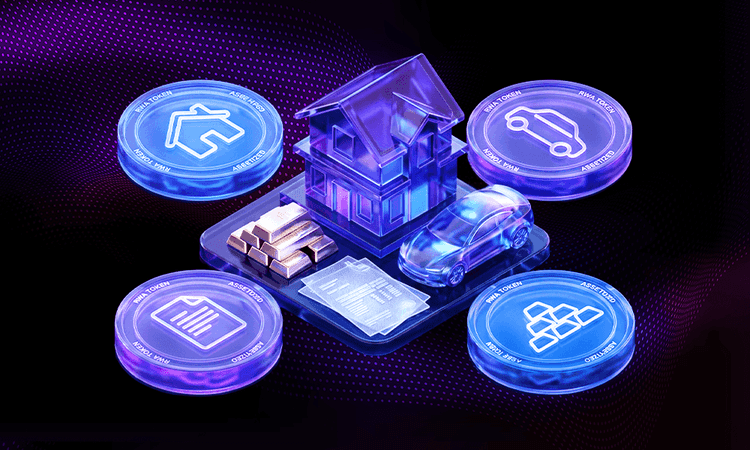
Real World Assets (RWA) have become one of the most discussed areas in crypto as traditional financial instruments are increasingly represented on blockchain networks. It may be tempting to assume that tokenization simply means placing existing assets into a digital format, yet a more complex process is involved. Legal structures, custody models, smart contracts, liquidity mechanisms, and verification layers are required before an asset can function effectively on-chain. A closer look is provided below to explain what RWA crypto represents, how RWA tokenization works, and why this sector has gained attention in DeFi.
What are RWAs?
Real World Assets (RWA) refer to physical or traditional financial assets that are represented digitally on a blockchain. The RWA full form is “Real World Assets,” and the concept generally covers assets that exist outside blockchain environments but can be issued, tracked, or traded through decentralized infrastructure.
Examples include government bonds, commodities, real estate, private credit, equities, and fiat-backed stablecoins. In crypto markets, RWAs are often discussed as a connection point between traditional finance and decentralized finance (DeFi). The main idea is that ownership rights, claims, or economic exposure connected to an asset can be represented through blockchain-based tokens.
A key distinction is that the blockchain token itself does not always represent direct ownership of the physical asset. Depending on the structure, it may represent a legal claim, a share in an investment vehicle, a debt position, or another form of economic interest. Because of this, regulatory frameworks, custody arrangements, and asset verification processes remain important components.
How do RWAs work?
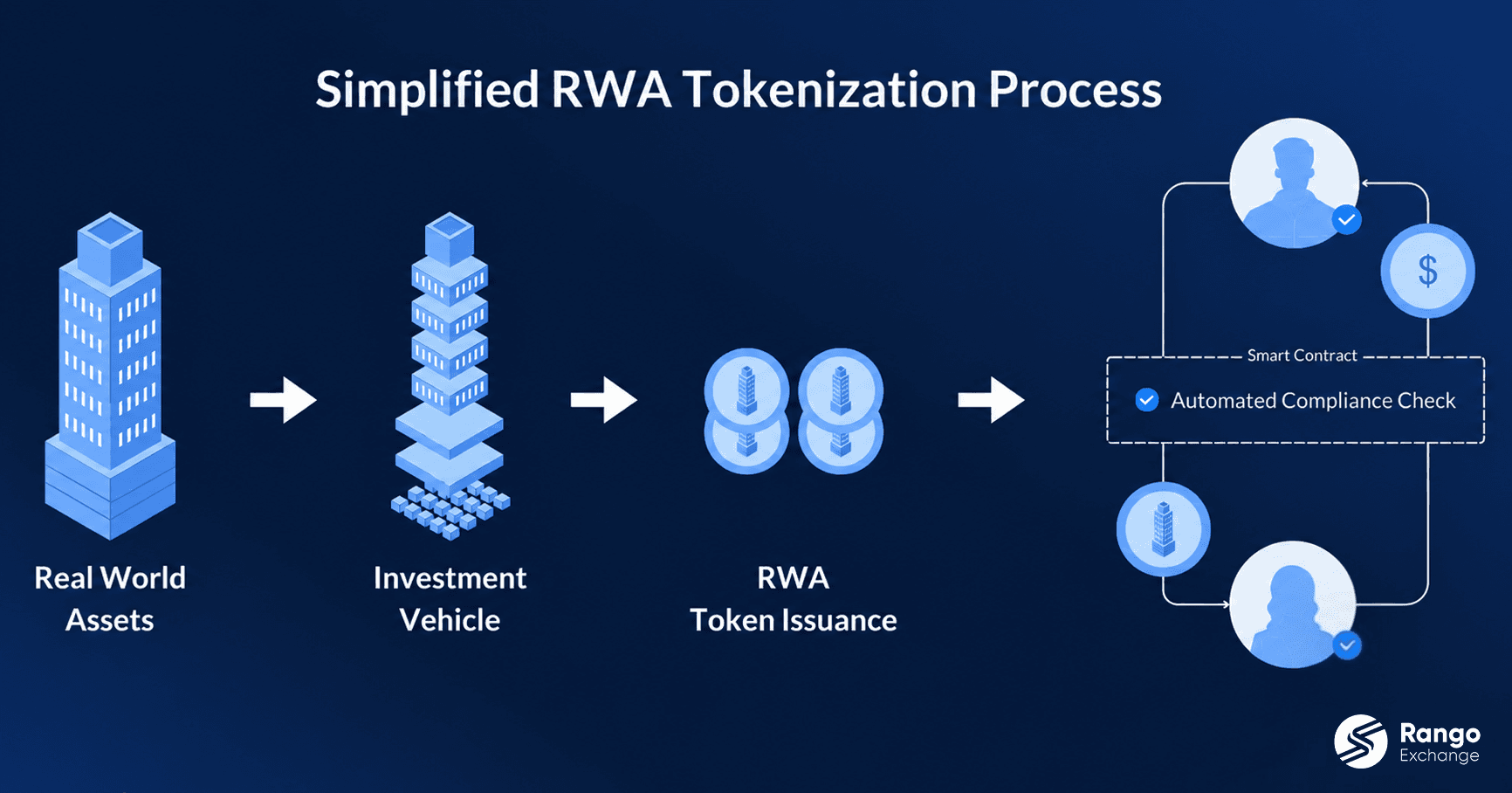
RWA systems typically involve several layers working together. The underlying asset must first be identified and legally structured. A representation mechanism is then created, where blockchain tokens are issued to reflect the value or rights connected to that asset. For example, a tokenized treasury product may involve government securities being held by a regulated entity while blockchain tokens represent investor exposure to those securities. The token balance can then be tracked on-chain, allowing settlement and integration with decentralized applications.
Smart contracts (self-executing blockchain programs) are usually used to manage transfers, ownership records, and interactions with DeFi protocols. However, the reliability of the system depends heavily on external verification because many RWAs require information from outside the blockchain. Oracles (systems that bring external data onto blockchains) may be used for price updates, asset status information, or reporting.
How Does RWA Tokenization Work?
RWA tokenization generally follows a sequence of steps:
| Stage | Function |
|---|---|
| Asset selection | A real-world asset is chosen, such as bonds, commodities, or property |
| Legal structuring | Ownership rights, claims, or investment exposure are defined |
| Custody and verification | The asset is held or verified through an appropriate entity |
| Token issuance | Blockchain tokens representing the asset relationship are created |
| Market integration | Tokens can be used within exchanges, wallets, or DeFi applications |
Before sending larger amounts of tokenized assets, systems usually run a simple check transfer first. This helps make sure everything works correctly end to end, like the wallet address, access permissions, and whether the funds can move and settle without issues. Even though the process looks straightforward on the surface, it depends on several connected parts working together. Things like asset custody, basic compliance checks, external data inputs, and the underlying blockchain logic all need to function properly. If one part doesn’t line up, it can affect how smoothly the transaction goes through.
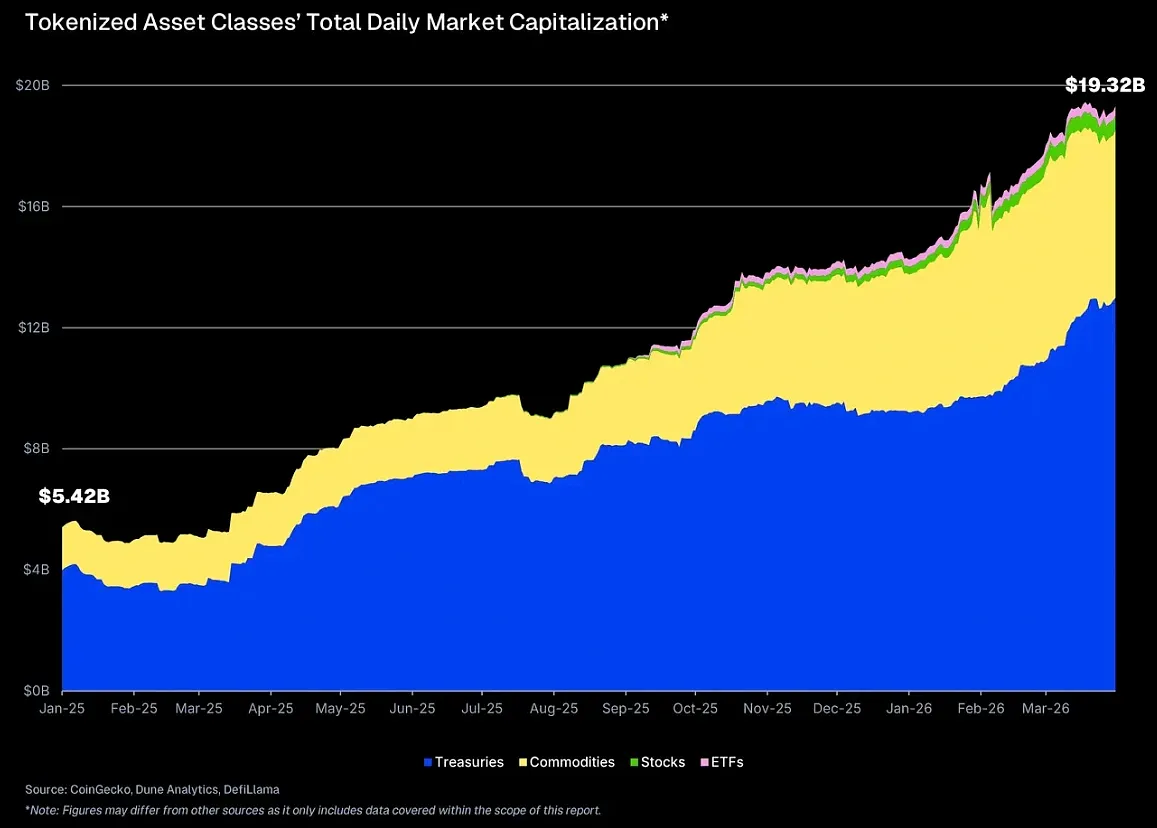
The RWA Landscape at a Glance (Q1 2026)
By early 2026, RWA crypto activity had expanded across several categories, with tokenized treasuries, private credit, stablecoins, and commodity-backed assets representing major segments of the market. Data platforms tracking RWA protocols have highlighted increasing adoption as institutions explore blockchain-based settlement and distribution models.
The growth pattern has been influenced by demand for yield-bearing on-chain products and the search for alternatives to purely crypto-native assets. Tokenized government securities, for example, have attracted attention because they combine traditional financial exposure with blockchain settlement capabilities. However, market size comparisons should be interpreted carefully. Tokenized asset supply does not always represent fully liquid markets because some assets remain limited by compliance requirements, investor access rules, and secondary market depth.
Benefits and Limitations of Tokenizing RWAs
The main benefit of real world asset tokenization is increased accessibility and programmability. Assets that previously required traditional financial infrastructure may become available through blockchain-based systems, depending on jurisdiction and compliance conditions.
Several practical advantages are commonly observed:
| Potential Benefit | Practical Impact |
|---|---|
| Faster settlement | Blockchain transfers may reduce settlement delays compared with traditional processes |
| Transparency | Transaction history can be recorded on-chain |
| Composability | Assets can potentially interact with DeFi applications |
| Fractional access | Certain assets can be divided into smaller ownership units |
Despite these advantages, limitations remain. Regulatory uncertainty, custody risks, smart contract vulnerabilities, and liquidity constraints can affect adoption. A token representing a real-world asset still depends on the legal system and organizations maintaining the connection between the digital token and the underlying asset. A common risk scenario occurs when a token is easy to transfer but the underlying redemption process is unclear. In such cases, convenience may increase while transparency outside the blockchain remains limited. Therefore, documentation, audits, and verification mechanisms are important safeguards.
Role of RWAs in DeFi
RWAs have become increasingly relevant in DeFi because they introduce asset categories beyond cryptocurrencies. Traditional DeFi activity has often relied on crypto-native collateral, while RWAs can provide exposure to instruments such as bonds, credit products, and commodities. A tokenized treasury asset, for example, may be integrated into lending protocols or yield strategies. A private credit token may allow blockchain-based access to debt markets that previously operated through traditional financial channels.
However, differences between DeFi-native assets and RWAs should be considered. Crypto-native assets usually operate entirely through blockchain mechanisms, while RWAs require external enforcement, legal agreements, and real-world verification.
Types of Tokenized Real-World Assets
Fiat backed Stablecoins
Fiat-backed stablecoins are one of the most common types of RWAs in the digital asset space. They are designed to keep a stable value by being backed 1:1 (or close to it) with traditional currencies, most often the US dollar. These reserves are typically held in cash or cash-equivalent assets and managed by issuing entities. Their stability depends on reserve quality, regular audits or transparency reports, and reliable redemption processes where users can convert tokens back into fiat. In practice, they are widely used for trading, payments, and moving value quickly between platforms without relying on traditional banking delays.
Tokenized Treasuries
Tokenized treasuries represent government bonds and similar low-risk debt instruments issued on blockchain networks. They allow investors to gain exposure to short-term yield-bearing assets in a more flexible and digital form. These tokens can help connect traditional fixed-income markets with decentralized finance, making it easier to move between yield opportunities. They are often seen as relatively stable compared to other crypto-native assets, but still depend on the credibility of the issuer and the structure behind the tokenization process.
Private Credit
Private credit tokens represent loans or debt obligations that are issued in private lending markets and then brought onto blockchain systems. This can include corporate lending, structured credit, or alternative financing arrangements that are usually not available in public markets. Tokenization can improve accessibility and transparency, but the underlying assets often require careful evaluation due to differences in borrower quality, repayment structures, and risk profiles. As a result, private credit RWAs tend to involve higher due diligence compared to more standardized assets.
Tokenized Commodities and Gold
This category includes physical commodities such as gold, silver, or oil that are represented through blockchain-based tokens. Each token is typically backed by a corresponding amount of the physical asset stored in secure vaults or facilities. The value of these tokens depends heavily on the integrity of custody, storage verification, and the ability to redeem the token for the underlying asset when needed. Tokenized gold, in particular, is popular because it allows users to hold exposure to a traditional safe-haven asset without dealing with physical storage or transportation.
Tokenized Real Estate
Tokenized real estate allows ownership or economic exposure to property assets to be divided into digital tokens. This enables fractional ownership, meaning investors can access high-value properties with smaller amounts of capital. It can also improve liquidity compared to traditional real estate markets, although liquidity still depends on platform adoption and market activity. Key considerations include legal ownership structures, jurisdiction-specific regulations, property valuation methods, and how income (such as rent) is distributed to token holders.
Tokenized Equities
Tokenized equities represent shares of publicly listed or privately held companies in a blockchain-based format. These tokens aim to make equity exposure more accessible, transferable, and potentially available 24/7 compared to traditional stock markets. However, their structure varies depending on how they are issued, some represent direct ownership, while others provide synthetic exposure. Regulatory differences across regions also play a major role in availability and usage, making this a more fragmented segment of the RWA ecosystem.
How to buy RWAs?
The process for buying RWAs depends on the specific asset and platform. In most cases, the following workflow is observed:
A compatible wallet is connected to an approved platform. Identity verification may be required depending on the asset type. The asset details, issuer information, fees, and redemption conditions should be reviewed before confirmation. A preview or simulation may be available before the transaction is finalized. Small test purchases are generally preferred when unfamiliar contracts or platforms are involved. Wallet addresses, network selection, and contract permissions should be verified carefully because blockchain transactions are usually irreversible. Different platforms may support different RWA categories. Some focus on tokenized securities, while others provide access to commodities, credit products, or stablecoin-based assets.
Conclusion
Real World Assets represent an attempt to connect traditional financial assets with blockchain-based infrastructure. The strongest use cases appear where transparency, settlement efficiency, and programmable access provide measurable improvements. However, the connection between an on-chain token and an off-chain asset remains dependent on legal structures, custody systems, and verification processes. RWA tokens should be evaluated through both blockchain and traditional finance perspectives. The long-term development of RWA finance will likely depend on how effectively these systems balance accessibility, compliance, and trust.
Resources
Frequently asked questions
Check out most commonly asked questions, addressed based on community needs. Can't find what you are looking for?
Contact us, our friendly support helps!
What does RWA mean in crypto?
RWA stands for Real World Assets. In crypto, it refers to traditional financial or physical assets, such as cash, bonds, commodities, real estate, or private credit, that are represented on the blockchain through digital tokens. The goal of RWA tokenization is to bring real-world value into digital systems, making these assets easier to transfer, divide, and integrate with blockchain-based financial applications.
Are RWA tokens safe?
RWA tokens can vary widely in terms of safety, depending on how they are structured and who issues them. Key factors include the credibility of the issuer, how the underlying assets are held (custody), the legal framework supporting the token, and the security of the smart contracts used. In addition, investors should consider how transparently the reserves are managed and whether regular audits or proof of backing are provided. Like any financial product, RWAs are not risk-free, so understanding both the on-chain technology and off-chain asset structure is important before participating.
Why are RWAs important for DeFi?
RWAs play an important role in expanding decentralized finance beyond purely crypto-based assets. By bringing traditional instruments like government bonds, private credit, commodities, and equities into blockchain systems, RWAs help connect DeFi with real-world economic value. This integration can improve liquidity options, introduce more stable yield opportunities, and diversify the types of assets available in DeFi. It also helps bridge the gap between traditional finance and blockchain, making the ecosystem more practical and broadly usable over time.